“Live with intention. Walk to the edge. Listen hard. Practice wellness. Play with abandon. Laugh. Choose with no regret. Appreciate your friends. Continue to learn. Do what you love. Live as if this is all there is.”
Finding simple ways to send out kindness and intention into the world
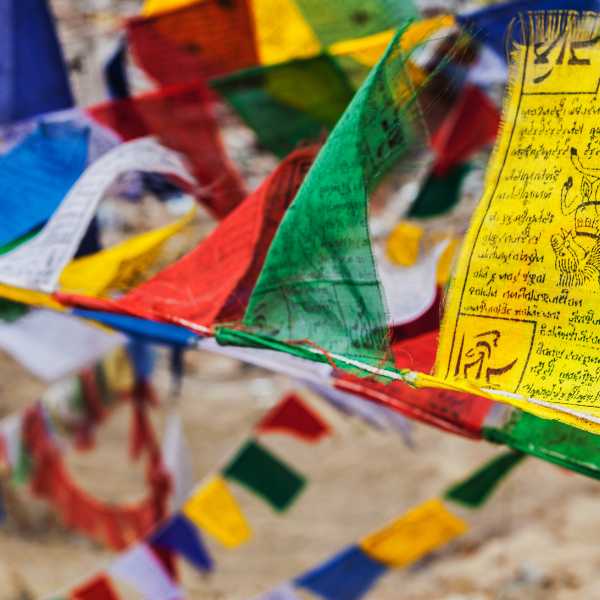
I didn’t grow up around prayer flags, but I am drawn to what they represent — the idea that a simple hope or blessing can be offered up and carried outward by the wind. Tibetan prayer flags were designed for exactly that: cloth pieces printed with prayers and symbols, lifted by the breeze so their intentions can travel far beyond the place they were hung. Each color represents an element, blue (sky), white (air), red (fire), green (water), and yellow (earth). (The Last Airbender animated series that my boys watched as kids just popped in my head)
As the wind moves the fabric, the blessings are believed to spread across the land, and as the flags age and their colors fade, those thoughts become part of the world itself. This practice feels calming and generous, a reminder that the intentions we have don’t need to stay inside, we can release them and share them with the world.
We might not realize it, but many of us do this already — lighting a candle for someone we love, placing a stone on a trail, or whispering a quiet hope into the air. These small acts aren’t about elaborate rituals; they’re about connection. They help us express care, release worry, and feel part of something larger than our own thoughts. And when we look across different cultures, we see beautiful variations of the same thought: to offer something from the heart and trust that it will travel where it needs to go.
Across Indigenous cultures, this theme shows up in deeply meaningful ways.
- In some Native American traditions, prayer ties — small cloth bundles filled with tobacco or sacred herbs — are placed in trees or left in nature. Each one carries a prayer or intention, offered back to the land or spirit.
- Aboriginal Songlines in Australia take this idea into motion: songs that map the land itself. Singing them keeps the land alive, honors ancestors, and becomes a moving, living prayer — one that connects people to creation and to belonging.
- In Māori culture in New Zealand, carvings and taonga — such as hei-tiki pendants or intricately woven cloaks — hold protective energy, blessings, or ancestral presence. They aren’t just objects; they carry meaning and intention, passed from one heart to another.
In other places around the world, intention takes shape through:
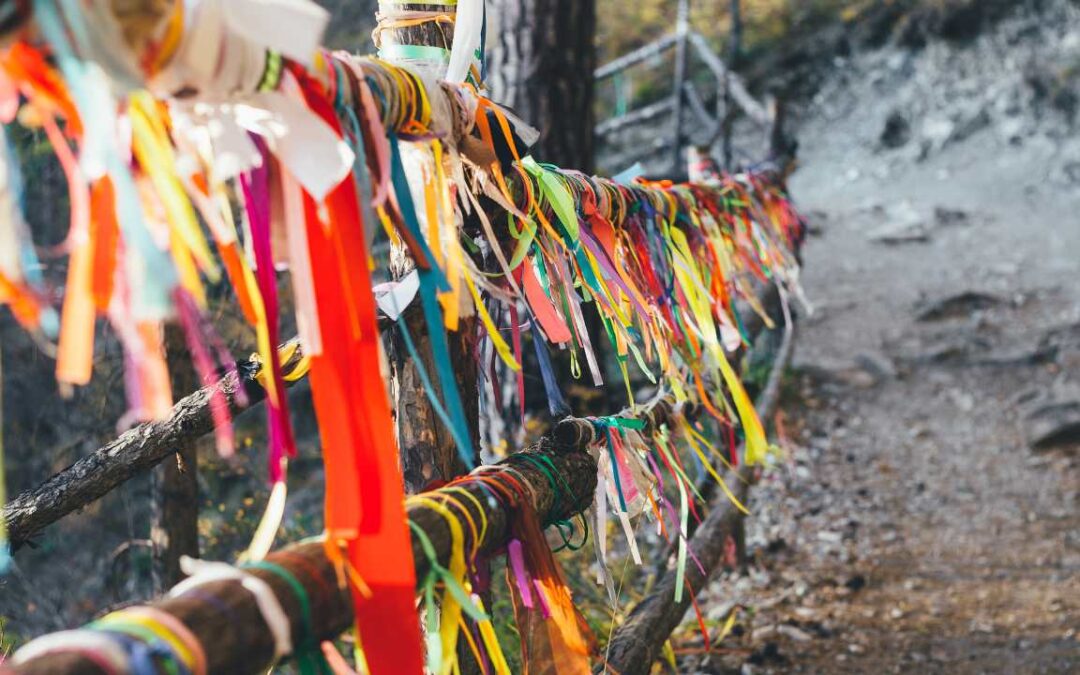
- Wish trees and ribbons, where a hope is tied to a branch and left for the wind to lift.
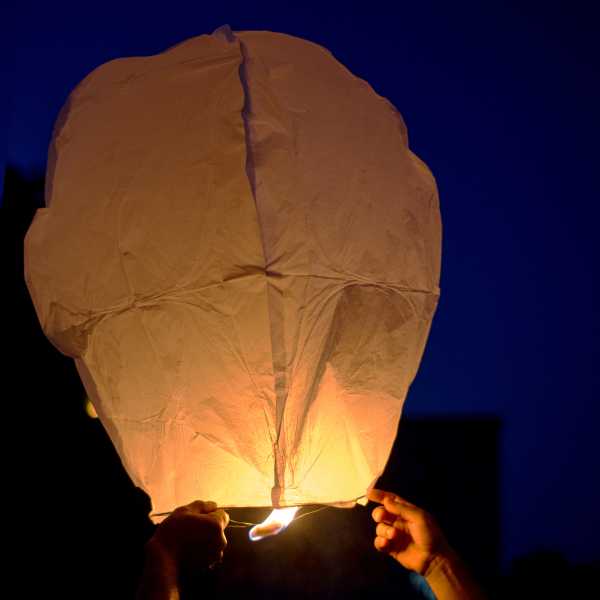
- Lanterns and candles, sending light into darkness on behalf of someone who needs it.
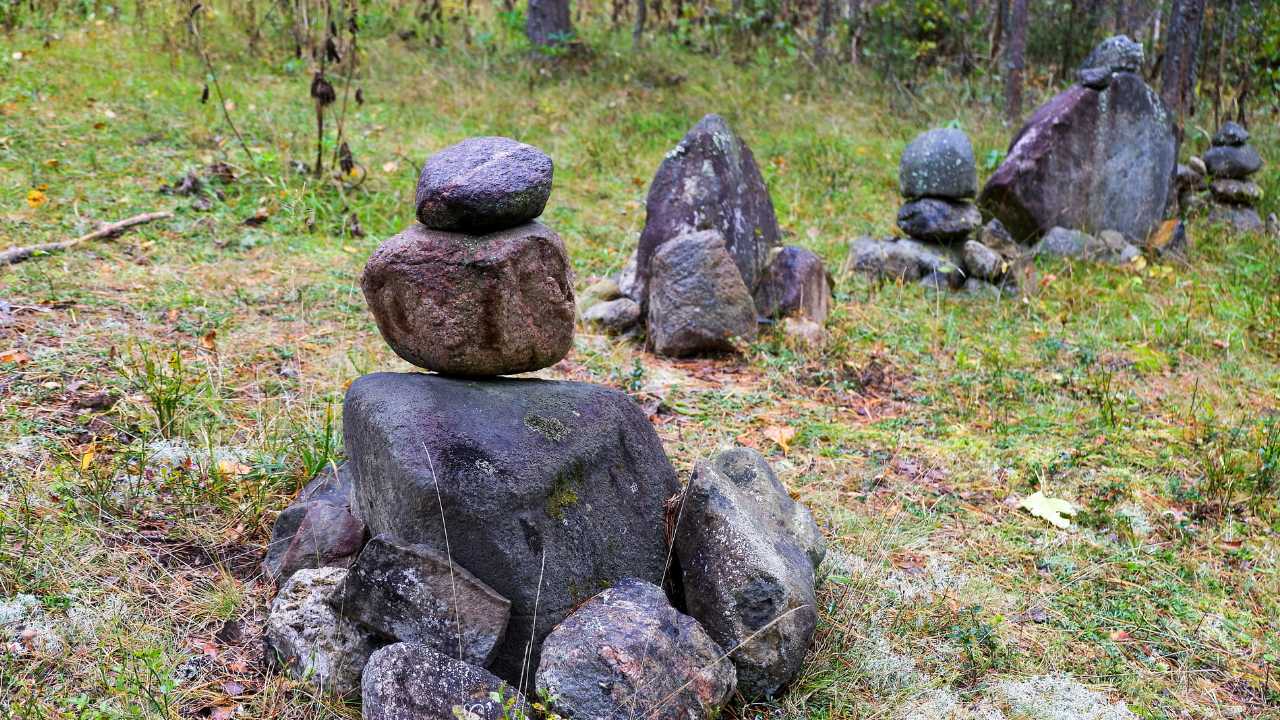
- Stone cairns, stacked as quiet thank-yous or markers of safe passage.
- Smoke rituals, where sage, cedar, or sweetgrass carry prayers upward into the air.
Despite their differences, these practices share something: the belief that what we send out — a blessing, a hope, a song, a symbol — doesn’t end with us. It moves outward. It touches someone or something else. It becomes part of the world around us.
Why These Practices Matter
What I love about all of these traditions — whether it’s a cloth bundle, a carving, a ribbon, or a prayer flag — is how quietly powerful they are. None of them try to force an outcome. None of them demand anything. They simply offer something heartfelt and let it go.
There’s a softness in that.
A trust.
A willingness to release what we can’t control and let the world carry it in its own way.
And I think many of us need more of that.
So often, our worries sit heavy inside us. Our hopes stay unspoken. Our kindness waits for the perfect moment. But these practices remind us that intention doesn’t need a grand gesture — we can release it in a gesture or thought.
When we light a candle, tie a ribbon, write a blessing, or whisper a hope into the breeze, we’re doing more than creating a ritual. We’re acknowledging that:
- our thoughts have weight,
- our love has a direction,
- our prayers — whatever form they take — are worth releasing.
And in sending something outward, we soften inward. We create a little more space for peace, clarity, compassion, and breath.
A Gentle Invitation
You don’t need a prayer flag or a sacred grove or a songline to take part in this way of living. You don’t need to know ancient rituals or follow specific steps. All you need is a moment of presence and a willingness to send something good into the world.
Write a blessing on a small piece of paper and tuck it into a tree branch.
Place a stone with intention at the base of a pine.
Tie a ribbon in your garden.
Whisper a hope into the breeze.
Light a candle for someone you love.
These tiny acts are reminders — to yourself and to the world — that kindness matters, that love travels, and that our intentions have a life beyond us.
And maybe the most beautiful part is this: when we offer a blessing outward, we often receive one inward. A sense of peace. A moment of calm. A deeper breath. A quiet knowing that we’re participating in something meaningful, whether or not we can see the outcome.
So maybe, take a moment today to send a thought, a blessing, or a hope into the world. Let it go gently. Trust that it will find the path it needs.
Be Kind to Yourself
This is the kind of conversation that grows.
What blessing or hope would you like to release into the world right now? Feel free to reach out and share.